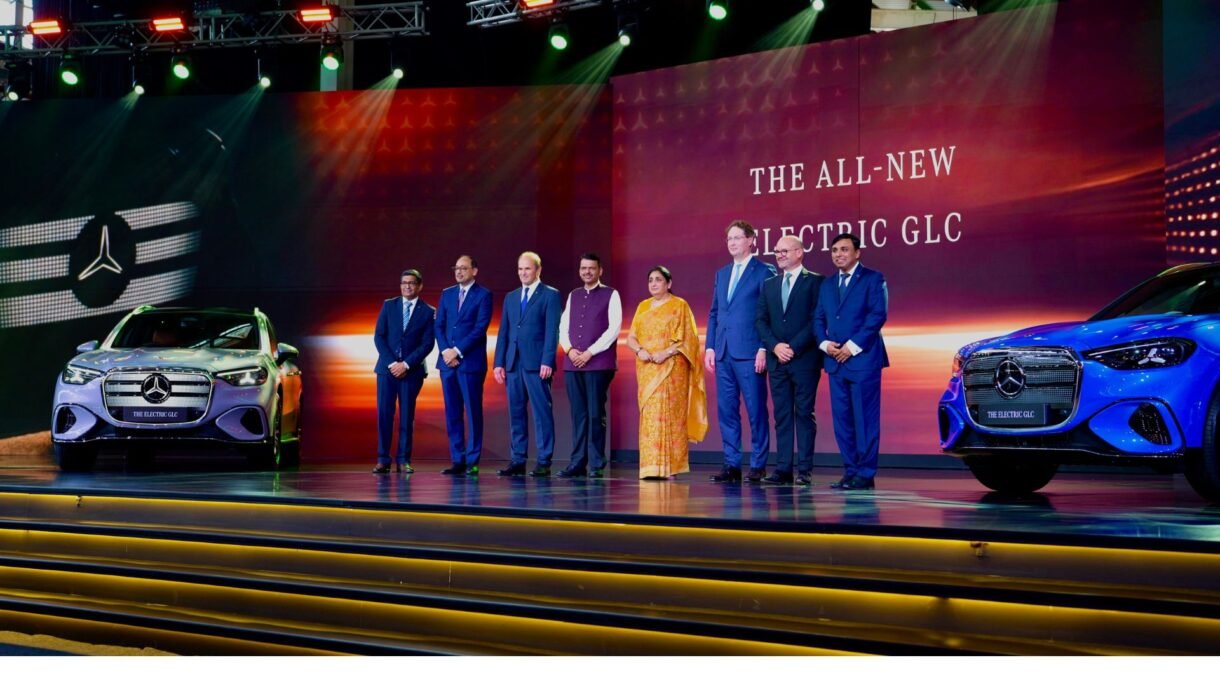
The Electric GLC 400 4MATIC is priced at Rs 78.50 lakh and offers a claimed WLTP range of 711 km, with deliveries scheduled to begin in mid-November 2026.
Mercedes-Benz India has commenced local production of the all-new Electric GLC at its manufacturing facility in Chakan, Pune. The first locally manufactured GLC 400 4MATIC rolled off the assembly line in the presence of Maharashtra Chief Minister Devendra Fadnavis, Deputy Chief Minister Sunetra Pawar and senior Mercedes-Benz Group AG and India officials on November 4, 2026.
The Electric GLC is the first locally manufactured Mercedes-Benz model in India based on the company’s next-generation MB.EA-M electric vehicle architecture. The SUV is priced at Rs 78.50 lakh (ex-showroom, all-India), with customer deliveries scheduled to commence in mid-November 2026.
Electric GLC Marks New Manufacturing Milestone
With local production of the Electric GLC, Pune joins Mercedes-Benz’s Bremen plant in Germany as a manufacturing location for the new electric SUV.
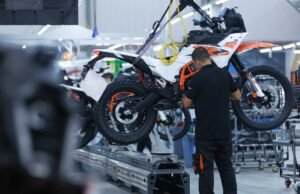
The model is being assembled on the same flexible production line as the company’s internal combustion engine vehicles. This allows Mercedes-Benz India to manufacture vehicles with different powertrain technologies at the same facility.
The company highlighted its manufacturing flexibility, robotics and AI-enabled production systems as key elements supporting the Electric GLC’s production ramp-up. Mercedes-Benz India also confirmed an additional investment of Rs 200 crore in 2026 towards manufacturing operations, new product start-ups and digitisation. Its cumulative investment in India has now reached Rs 3,200 crore, which the company describes as the highest among luxury carmakers in the country.
Mercedes-Benz Electric GLC: Battery, Range And Performance
The Electric GLC 400 4MATIC features a dual-motor all-wheel-drive setup producing 360 kW (489 hp) and 800 Nm of torque. It can accelerate from 0 to 100 kmph in 4.3 seconds, while its electronically limited top speed stands at 210 kmph.
The SUV gets a usable battery capacity of 94 kWh and an 800-volt electrical architecture. Mercedes-Benz claims a combined WLTP range of up to 711 km, as certified by ARAI.
The electric SUV supports DC fast charging at up to 330 kW. Under optimal conditions, the company claims it can add up to 303 km of range in 10 minutes.
MB.OS And New Technology Features
The Electric GLC introduces Mercedes-Benz’s MB.OS operating system to the company’s locally manufactured portfolio in India. The software architecture supports AI-driven navigation, advanced driver assistance systems, over-the-air updates and personalised user experiences.
Other highlights include a 39.1-inch MBUX Hyperscreen, an illuminated grille featuring 942 pixels and a SKY CONTROL panoramic roof with illuminated stars. The company has also highlighted the use of recycled materials and materials designed to reduce the vehicle’s carbon footprint.
Strong Early Customer Interest And Charging Benefits
Mercedes-Benz India stated that the Electric GLC had received more than 550 expressions of interest within the first 36 hours of opening registrations, even before its India debut.
The company is also introducing MB.CHARGE Public charging credits as an alternative to the complimentary AC wall box for new battery electric vehicle customers. Buyers who voluntarily opt out of the wall box can receive 2,500 kWh of complimentary public charging credits, valid for 24 months from activation of the charging service.
Mercedes-Benz says its MB.CHARGE Public network provides access to more than 22,000 charging points across India.
ICE GLC Legacy Continues In Electric Form
The GLC first arrived in India in 2016 and has since found nearly 22,000 customers, according to Mercedes-Benz. The new electric version aims to carry the nameplate into the battery-electric vehicle segment with updated technology, performance and locally manufactured credentials.
With the start of Electric GLC production, Mercedes-Benz India has added another locally manufactured electric vehicle to its portfolio while expanding its manufacturing capabilities for different powertrain technologies.