The three-pronged hydrotest verification framework uses vehicle number plate recognition, digital compliance checks and automated alerts to help prevent refuelling of vehicles with invalid cylinder certifications.
Nawgati has introduced its AI-enabled vehicle recognition and hydrotest compliance system at selected Indraprastha Gas Limited (IGL) CNG stations in Delhi to automate cylinder safety checks and strengthen regulatory compliance.
The system was formally launched on 21 October 2026 at IGL’s Shantipath CNG station in New Delhi by Sanjay Kumar Singh, Joint Chief Controller of Explosives, Petroleum and Explosives Safety Organisation (PESO), North Circle. The rollout forms part of a broader safety initiative by IGL following regulatory directives requiring city gas distribution companies to enforce safety standards at CNG stations.
The technology has been deployed across key stations in the capital, with plans for expansion to additional IGL outlets across Delhi-NCR.
Three-Pronged System Automates Hydrotest Verification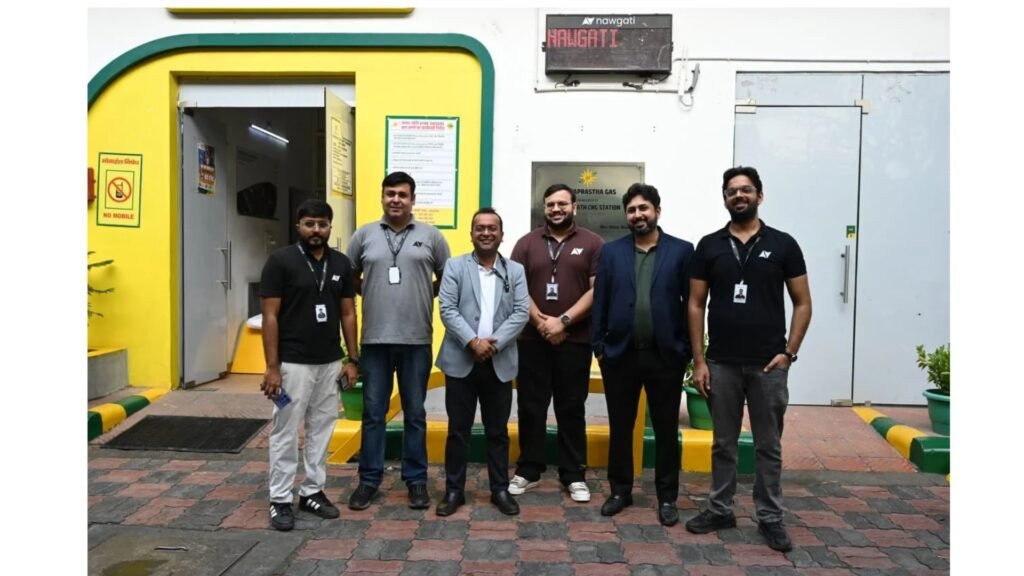
Nawgati’s framework combines three digital tools to verify the hydrotest validity of CNG cylinders and improve coverage across station operations.
The consumer-facing Nawgati Fuelling App allows vehicle owners to check their hydrotest status and digitally display a compliance pass before refuelling. The company describes the process as similar to an airport web check-in.
The Aaveg Compliance App enables queue marshals and station staff to conduct real-time handheld checks on vehicles waiting to refuel. This provides an additional verification layer alongside automated monitoring.
The third component, the Aaveg system, uses Nawgati’s proprietary technology to scan vehicle number plates across stations and display hydrotest status on LED screens. Together, the three tools are designed to reduce reliance on manual checks and improve visibility of compliance status.
Automated Alerts Target Non-Compliant Vehicles
According to IGL, the system immediately alerts station staff when a cylinder’s certification is expired or invalid. Notifications can be delivered through handheld devices, LED displays and public announcement systems, helping staff stop unverified vehicles from refuelling.
The digital verification platform is part of IGL’s wider Safety Management Action Plan, which focuses on operational accountability, detecting illegal cylinder modifications and improving enforcement through real-time alerts.
IGL has also launched a public awareness campaign using FM radio, print media, social media and posters at stations. The campaign aims to educate drivers about timely cylinder hydrotesting and safe refuelling practices.
IGL and Nawgati Emphasise Digital Safety
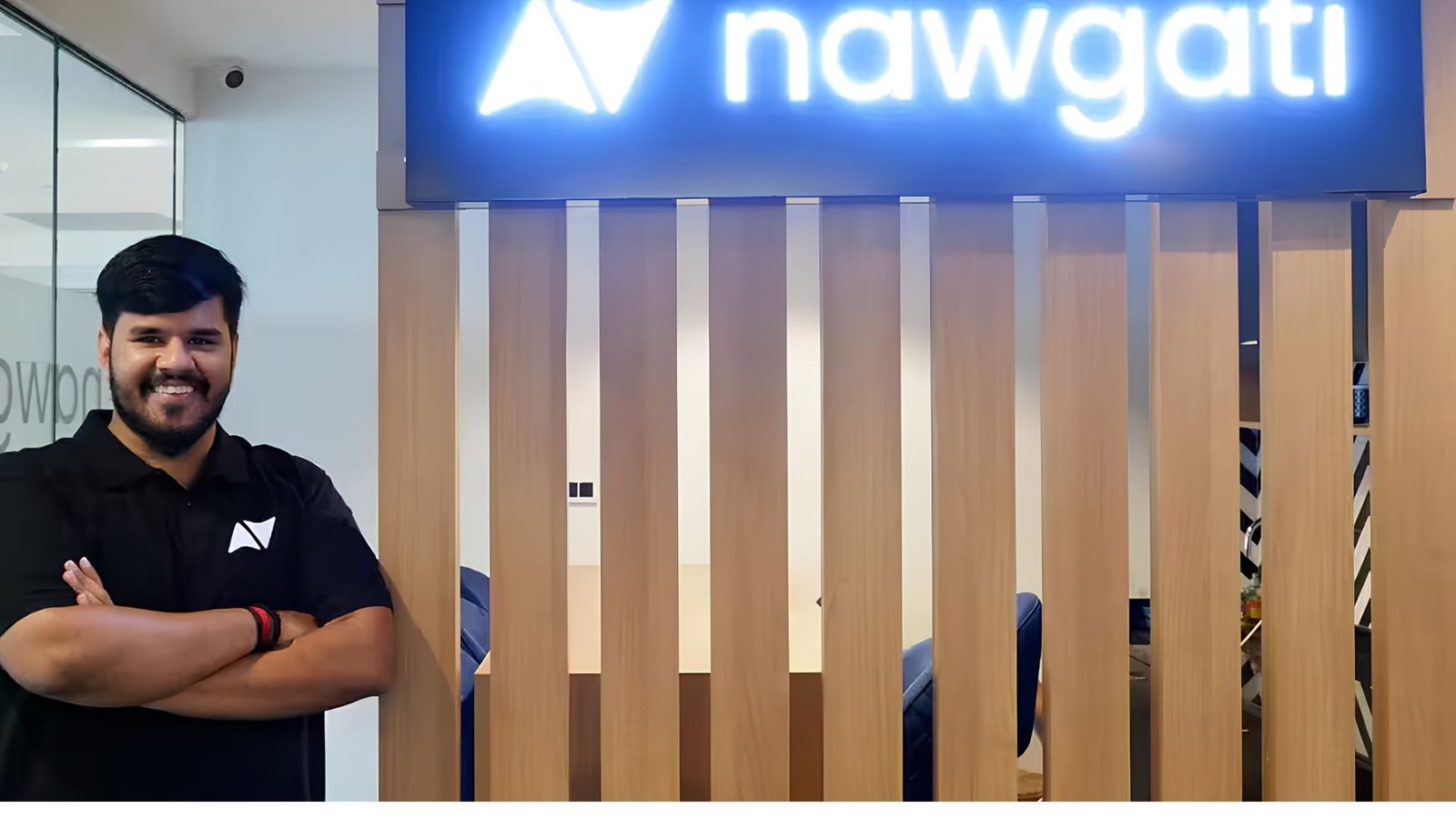
Ambuj Singh, Senior Vice President of Business and Operations at Nawgati, said the rollout combines proprietary technology, the Aaveg Compliance App and consumer-facing transparency to address gaps in manual enforcement.
He added that the system is intended to prevent vehicles with unverified cylinders from refuelling while establishing a stronger technology-led approach to fuel retail safety.
IGL leadership also highlighted the importance of digital safety infrastructure as India works towards increasing natural gas usage to 15% of its national energy basket and prepares infrastructure for future hydrogen blending.
Nawgati Expands Beyond Consumer Fuel Discovery
Founded in 2019 by Vaibhav Kaushik, Aalaap Nair and Aryan Sisodia, Nawgati has expanded from a consumer information platform into a fuel retail technology company.
Its Aaveg platform uses deep learning and real-time analytics to support station operations, reduce congestion and improve operational efficiency. Alongside enterprise solutions for energy companies and fleet operators, Nawgati operates a consumer-facing fuelling app.
The company says it is also expanding internationally, beginning with the UAE and Sri Lanka, as it seeks to bring technology-led refuelling solutions to additional markets.