JK Tyre reported its highest-ever consolidated quarterly revenue in Q2 FY27, registering 20% year-on-year growth as domestic sales rose 32% and its Mexican subsidiary recorded a recovery.
JK Tyre & Industries Limited reported its unaudited financial results for the second quarter of FY27, ended September 30, 2026, with consolidated revenue reaching a record Rs 4,850 crore. The company registered 20% year-on-year growth, supported by improved performance across markets and product segments.
Consolidated EBITDA stood at Rs 343 crore, accounting for a margin of 7.1%. Profit before tax (PBT) was reported at Rs 94 crore, while profit after tax (PAT) stood at Rs 60 crore.
The company said its quarterly performance reflected stronger domestic demand and broad-based growth. However, higher input costs and supply-chain constraints continued to weigh on the operating environment.
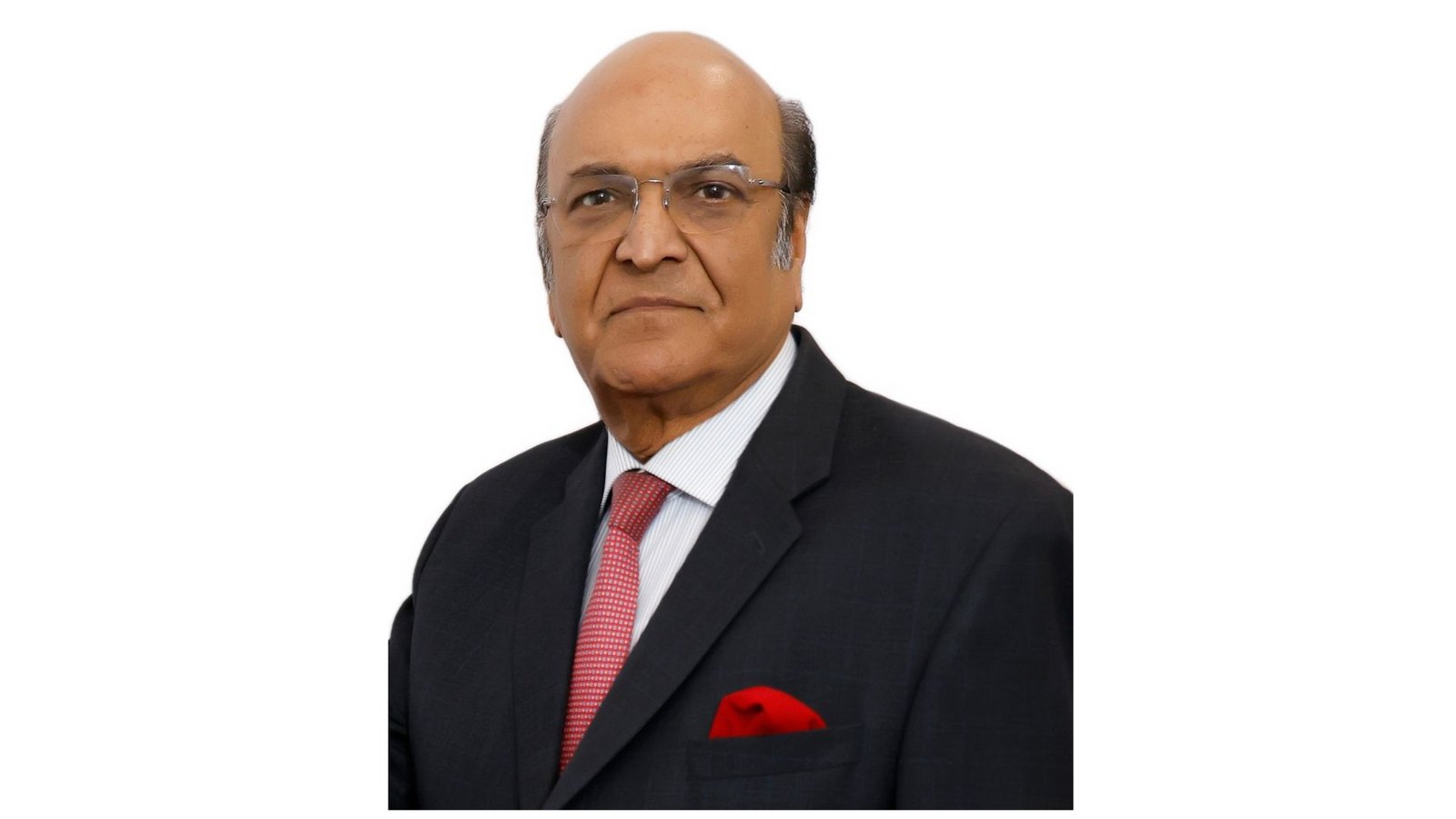
Dr. Raghupati Singhania, Chairman and Managing Director of JK Tyre & Industries, said the results represented progress towards the company’s ambition of becoming one of India’s most profitable tyre manufacturers.
Domestic Sales Increase 32% After GST 2.0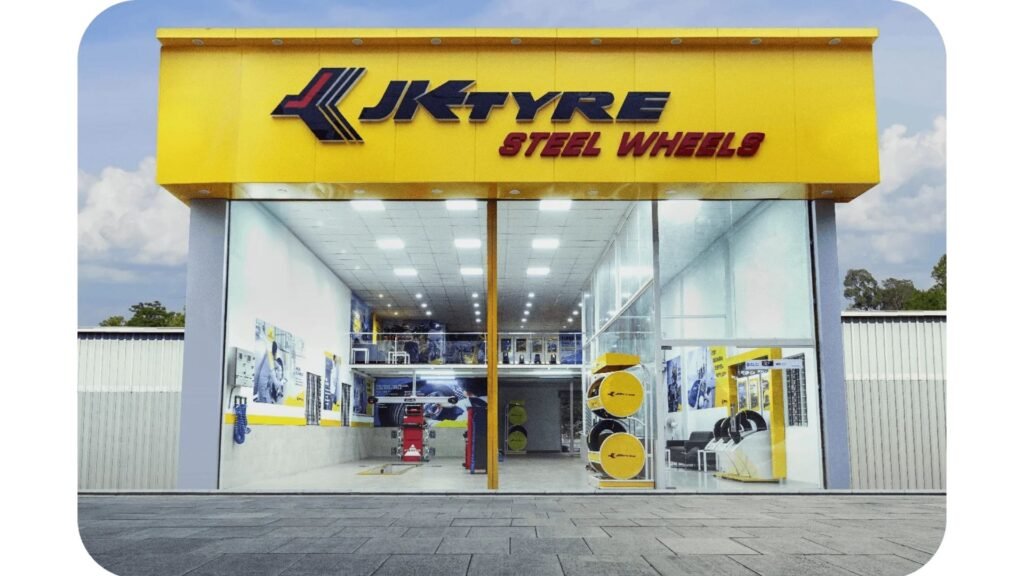
JK Tyre reported significant growth momentum in its Indian business following the implementation of GST 2.0. The company said the original equipment (OE) market increased by 65% year-on-year, contributing to a 32% rise in domestic sales during the quarter.
The improvement was supported by demand across markets and product categories, along with the company’s execution across business segments.
The growth in domestic sales comes as JK Tyre continues to focus on its presence across passenger vehicles, commercial vehicles, agricultural applications, off-the-road equipment and two- and three-wheelers.
Management said it remained optimistic about demand, citing healthy customer traction across segments. The company plans to pursue sustainable and profitable growth by leveraging its manufacturing facilities, fleet service network, international presence and customer partnerships.
EBITDA Rises 28% Sequentially Amid Cost Pressures
Consolidated EBITDA increased 28% sequentially to Rs 343 crore in Q2 FY27, despite persistently high input costs and supply-chain challenges.
JK Tyre highlighted elevated container freight rates, which remained significantly above historical levels, as one of the factors affecting operations. Geopolitical tensions in West Asia also continued to create a challenging business environment.
Despite these pressures, the company reported its highest-ever quarterly consolidated revenue. Its management said it would continue to focus on operational execution and customer relationships while working towards profitable growth.
JK Tornel Records Rs 479 Crore Revenue
JK Tornel, JK Tyre’s Mexican subsidiary, recorded revenue of Rs 479 crore during the quarter, with its performance rebounding over the period.
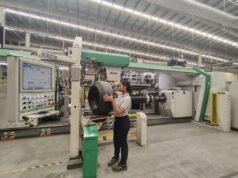
The subsidiary remains an important part of the company’s international growth strategy. JK Tyre operates 11 manufacturing facilities globally, comprising nine in India and two in Mexico, with a combined annual production capacity of more than 38 million tyres.
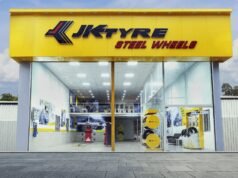
The company has a network of over 6,250 dealers and more than 900 dedicated brand outlets operating under the Steel Wheels, Truck Wheels and Xpress Wheels names. It also exports to over 100 countries through more than 230 global distributors.
Technology and Sustainability Remain Priorities
JK Tyre continues to invest in research and development through its Global Tech & Innovation Centre, the Raghupati Singhania Centre of Excellence in Mysore. Its technology portfolio includes Smart Tyre technology and tyre pressure monitoring systems (TPMS), which monitor tyre parameters such as pressure and temperature.
The company has also highlighted its sustainability initiatives, including its participation in the global RE100 initiative, through which it targets sourcing 100% of its electricity from renewable sources by 2050.
With record quarterly revenue, improved domestic sales and a recovery at JK Tornel, JK Tyre is looking to sustain demand momentum while managing elevated costs and ongoing supply-chain challenges.