Jupiter Wagons has signed an MoU with Poland’s PESA to explore passenger rolling stock development, manufacturing and deployment for India’s metro, semi-high-speed and high-speed rail markets.
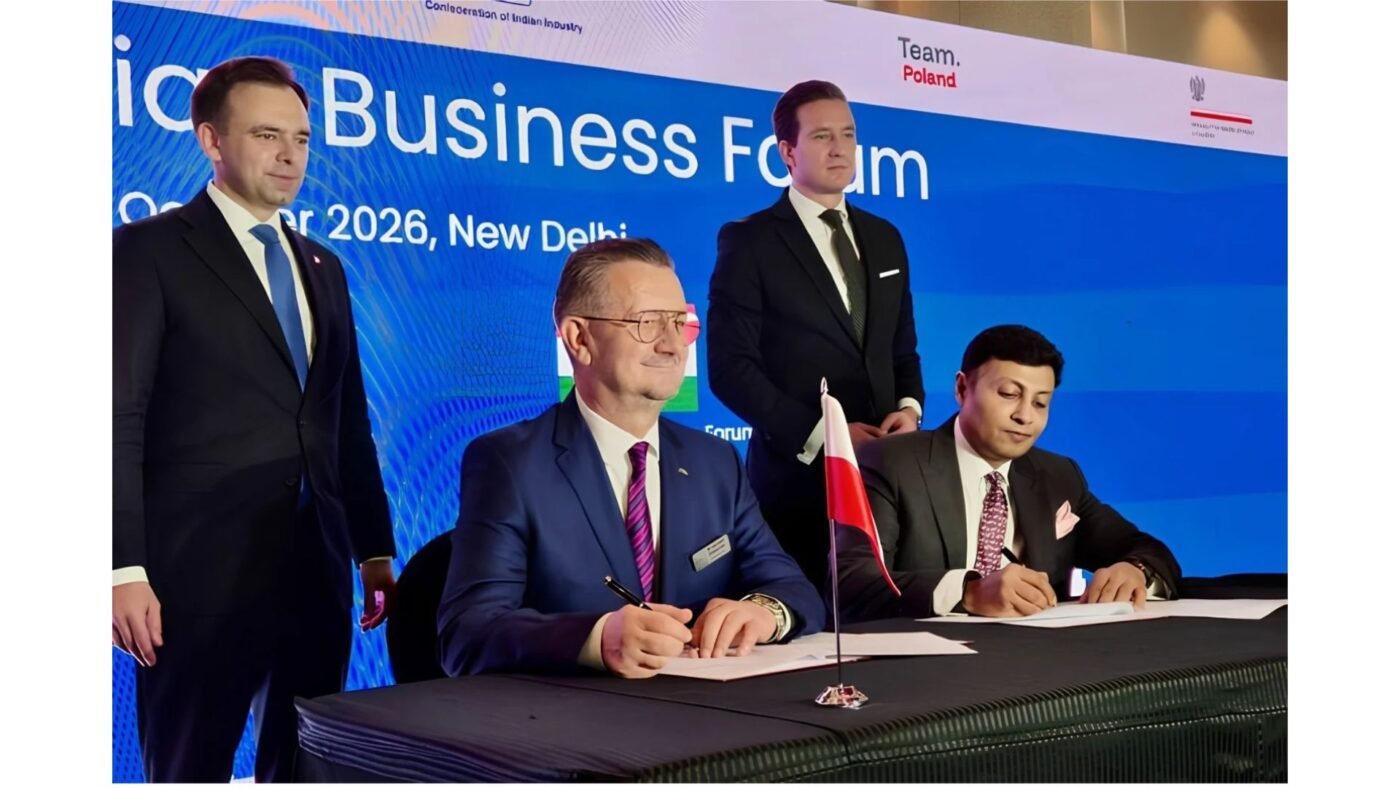
Jupiter Wagons Limited (JWL) has signed a Memorandum of Understanding (MoU) with Poland-based Pojazdy Szynowe PESA Bydgoszcz S.A. (PESA) to explore opportunities in India’s passenger rail segment. The agreement was signed during the Polish-Indian Economic Forum in New Delhi on October 23, 2026.
The proposed collaboration will cover the development, manufacturing and deployment of passenger rail vehicles for regional, intercity and urban transport applications in India and other markets. It also establishes a framework for exploring component localisation.
The partnership comes as India expands its metro networks and develops semi-high-speed train services and high-speed rail infrastructure. Jupiter Wagons is looking to build on its existing capabilities in freight rolling stock and railway components by exploring opportunities in passenger trains.
However, the MoU currently outlines a framework for cooperation, with no specific production programme, project order or manufacturing timeline announced.
Partnership Targets Metro and High-Speed Rail Opportunities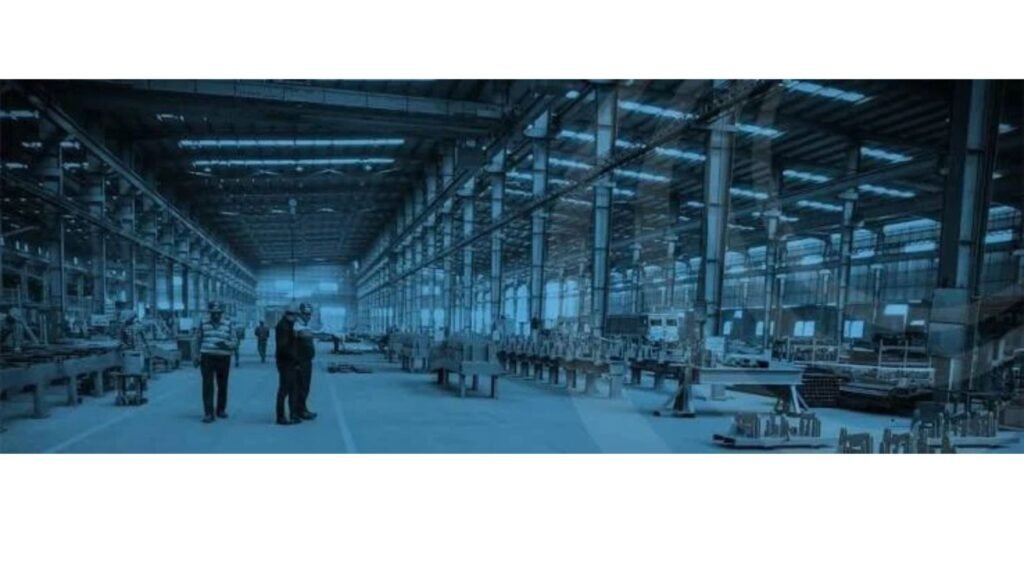
The agreement brings together the respective capabilities of the two companies. PESA, whose roots in Bydgoszcz, Poland, date back to 1851, designs, manufactures and maintains passenger rolling stock, including metro trains and trams used across Europe.
Jupiter Wagons brings manufacturing capabilities, experience supplying Indian Railways and private-sector customers, and an established presence across rolling stock, components, castings and wheelsets.
The companies intend to explore how these complementary strengths could support passenger rail projects in India and other markets. Local manufacturing and component localisation are among the areas covered by the cooperation framework.
For Jupiter Wagons, the move represents a potential expansion beyond its established freight wagon business into passenger rolling stock. The company aims to bring freight and passenger rail vehicles, along with critical components and allied systems, under a broader mobility solutions portfolio.
JWL Sees Passenger Rolling Stock as Its Next Growth Layer
Vivek Lohia, Managing Director of Jupiter Wagons Limited, said the Indian railway sector is entering a decisive period in which companies offering integrated solutions could play an important role.
He highlighted the company’s efforts to bring wagons, components, castings, wheelsets and related systems together under one umbrella. Lohia described passenger rolling stock as the next layer in this strategy and said the collaboration with PESA could combine the Polish company’s experience with JWL’s manufacturing depth and understanding of Indian Railways.
He also linked the proposed cooperation to the Government of India’s Make in India vision, with the objective of exploring opportunities for passenger trains built in India for domestic and international markets.
Krzysztof Zdziarski, CEO of PESA Bydgoszcz, said India represents an attractive rail market and that the collaboration could support joint projects and vehicle deliveries to Indian carriers. He also described the partnership as an important step in PESA’s international expansion.
Jupiter Wagons’ Broader Mobility Portfolio
Jupiter Wagons has a presence across freight wagons, locomotives, commercial vehicles and ISO marine containers. Its product portfolio also includes couplers, draft gears, bogies, CMS crossings, brake discs, braking systems, wheels, axles and wheelsets.
The company operates manufacturing facilities in Kolkata, Jamshedpur, Indore, Jabalpur, Bengaluru and Aurangabad, with backward integration into foundry operations. It also has partnerships with international companies, including Tatravagonka of Slovakia, DAKO CZ of the Czech Republic, Kovis of Slovenia and Talleres Alegria of Spain.
The proposed agreement with PESA could provide a route for Jupiter Wagons to explore a wider role in India’s passenger rail manufacturing ecosystem. The next steps will depend on how the two companies translate the MoU framework into specific opportunities across metro, regional, intercity and higher-speed rail applications.