
Good Business Lab convenes automotive leaders and women shopfloor workers to discuss hiring, retention, skills development and workplace inclusion
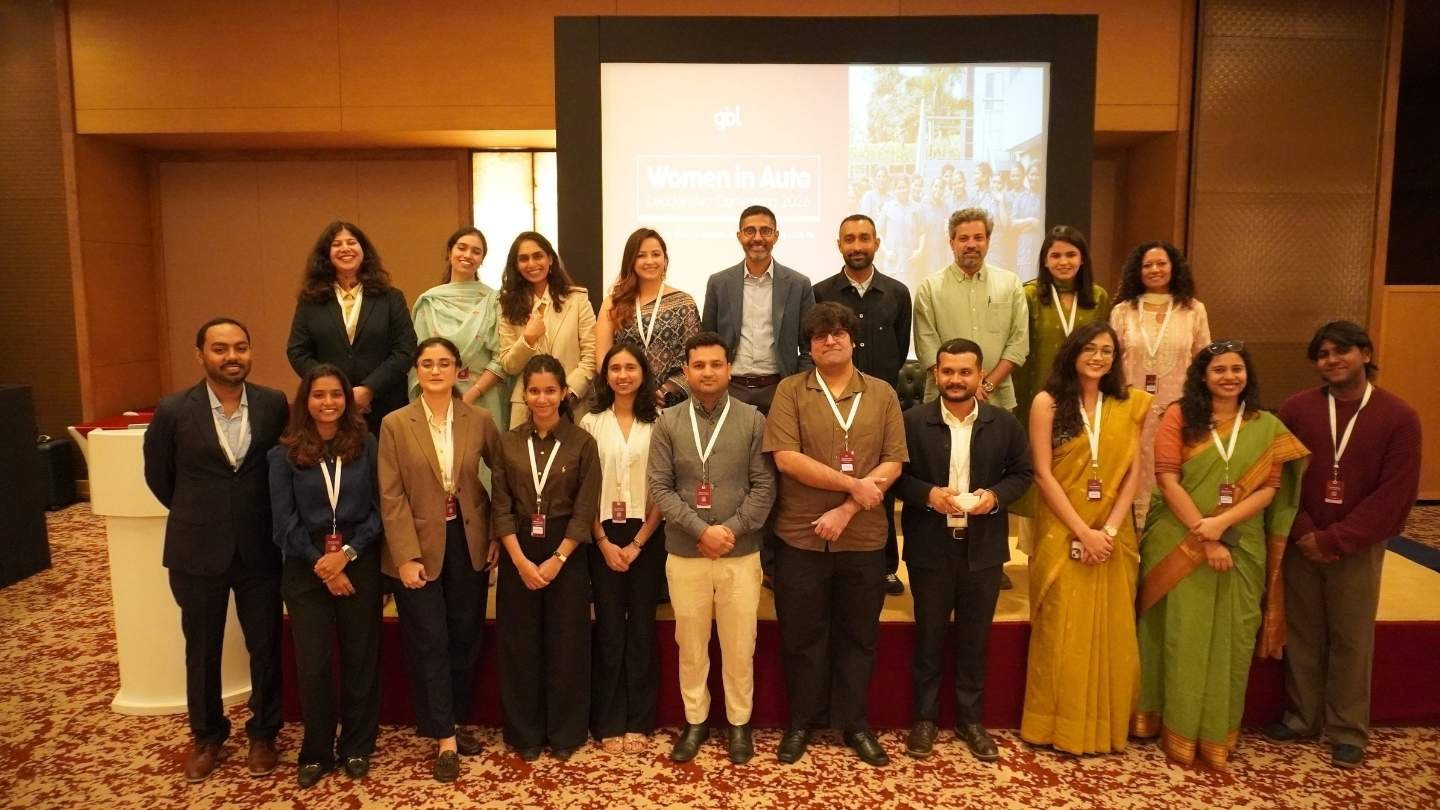
India’s automotive industry is stepping up efforts to increase women’s participation in manufacturing, with industry leaders, policymakers and women shopfloor workers coming together in New Delhi to discuss practical ways to build a more inclusive workforce. The leadership convening, organised by non-profit research organisation Good Business Lab (GBL) on October 9, 2026, focused on translating research findings into actionable changes across automotive original equipment manufacturers (OEMs) and component manufacturers.
Held at Le Méridien, New Delhi, the event brought together representatives from leading automotive companies and industry organisations to examine the business case for gender inclusion and identify measures to attract and retain more women in manufacturing roles.
The discussion follows GBL’s report, Powering India’s Automotive Sector: Unlocking Women’s Talent for Industry Growth, launched at the 66th ACMA Annual Session in September. The three-year study covered more than 55 automotive firms, 400 stakeholders and 1,900 individuals.
According to the report, women account for just 8.7% of the combined workforce in automotive OEMs and component manufacturing, highlighting the industry’s untapped talent pool amid growing demand for skilled workers.
Hiring is only the first step
A key message emerging from the discussions was that improving women’s participation requires more than increasing recruitment. Companies also need to create workplace conditions that enable women to remain in their jobs, develop their skills and progress into long-term careers.
Participants discussed practical barriers such as access to skilled training, night-shift participation, last-mile transportation and childcare. Businesses were encouraged to adapt and pilot solutions that address these challenges while continuing to study barriers that are more difficult to resolve.
Retention was another major focus. Participants highlighted the need for clear career pathways, workplace conditions that support women employees and performance metrics that encourage managers to focus on retention, rather than hiring numbers alone.
Women shopfloor workers share their experiences
The event featured three panel discussions, including a session that brought women shopfloor associates directly into the conversation.
The first panel, titled The Business of Inclusion, featured senior industry leaders including Suman Mishra, CEO and MD of Mahindra Last Mile Mobility; Viveka Bhandari, COO of Padmini VNA Mechatronics; Sunil Arora, MD of Abilities India Pistons & Rings; Satyaprakash Patil, CHRO of Honda Motorcycle & Scooter India; and Vinkesh Gulati, Chairperson of the Automotive Skills Development Council.
The second panel, Building Skills, Careers and Futures on the Shopfloor, heard from women employees at Abilities India Pistons & Rings, Asahi India Glass, Honda Motorcycle & Scooter India and Sansera Engineering. The discussion explored their professional journeys and experiences of building careers in automotive manufacturing.
The final panel, Making Inclusion the Norm, examined how companies, industry bodies, philanthropic organisations and other stakeholders can work together to expand the adoption of inclusive workplace practices.
Collaboration needed to scale solutions
Nirmal Deshpande, Managing Director of Good Business Lab, said women’s participation in the automotive workforce is no longer just an inclusion imperative but a business necessity. He emphasised the need to scale solutions that have demonstrated results through collaboration between companies, philanthropy and government.
The convening concluded with a call for continued research, shared learning and investment in safety and transport infrastructure that enables more women to work on shopfloors.
As India’s automotive sector looks to strengthen its manufacturing capabilities and global competitiveness, increasing women’s participation could help companies access a broader talent pool while creating more opportunities for skilled careers across the industry.